

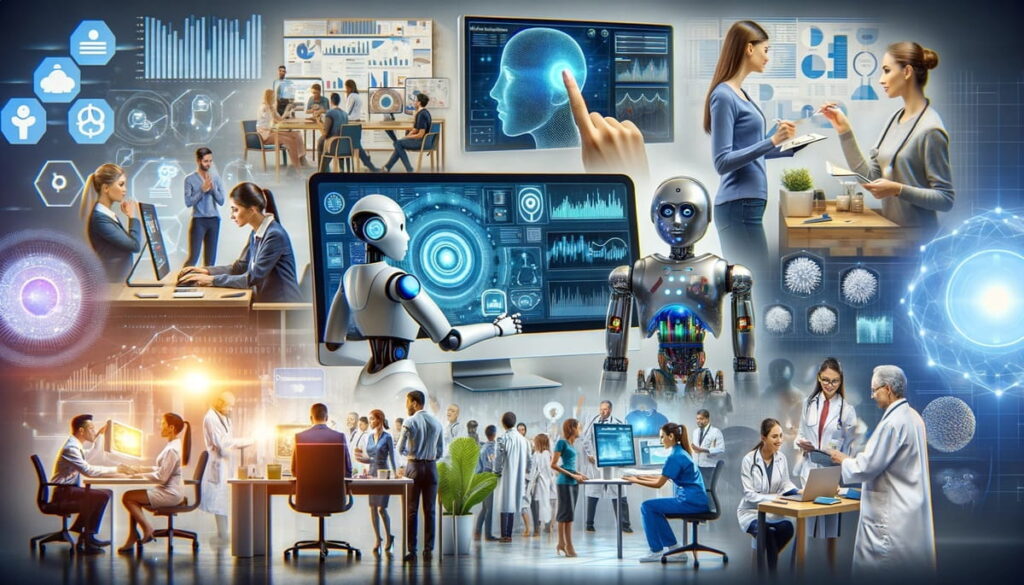
The Future of Work: How IT is Changing the Way We Work
The way we work has changed dramatically over the past few years and it’s not going back. Remote work, hybrid schedules, cloud tools, and cybersecurity have become the new standard for businesses of all sizes. What used to be considered “IT support” is now the foundation of how modern organizations operate, communicate, and grow.
In today’s workplace, technology isn’t just a tool—it’s the workplace.
This article explores how IT is shaping the future of work and what businesses can do to stay ahead.
Hybrid and Remote Work Are Here to Stay
Hybrid and remote work are no longer temporary solutions. Many companies now offer flexible work environments because they improve employee satisfaction, increase productivity, and expand access to talent beyond local hiring markets.
But flexibility comes with challenges. Teams need secure access to files, systems, and communication tools from anywhere.
To support hybrid work successfully, businesses must prioritize:
-
Secure remote access
-
Reliable connectivity and Wi-Fi
-
Collaboration platforms that keep teams aligned
-
IT support that works outside of traditional office hours
Cloud Technology Is Powering the Modern Workplace
Cloud services have become the backbone of remote work. Instead of relying on physical office servers, companies can now access data, applications, and services through secure cloud platforms.
This shift allows employees to work from any location and on multiple devices without losing access to important tools.
Cloud platforms like Microsoft 365 and Google Workspace enable:
-
Real-time collaboration on documents
-
Centralized file storage and sharing
-
Automatic updates and improved reliability
-
Faster onboarding for new employees
-
Easier scaling as companies grow
The future workplace depends on cloud technology because it supports both flexibility and productivity.
-
Cybersecurity Is Now a Workplace Requirement
As work becomes more digital and remote, cyber threats continue to rise. Phishing attacks, ransomware, and account takeovers are targeting businesses daily—especially organizations that rely heavily on email, cloud tools, and remote access.
The modern workplace requires security that follows employees wherever they work.
Key cybersecurity practices shaping the future of work include:
-
Multi-Factor Authentication (MFA) to protect logins
-
Endpoint protection (EDR) for laptops and desktops
-
Email security filtering to block phishing attempts
-
Cybersecurity awareness training to reduce human error
-
Zero Trust security models, where access is verified continuously
Cybersecurity is no longer optional it’s essential to protecting productivity, reputation, and revenue.
Automation and AI Are Redefining Productivity
Technology is doing more than enabling work—it’s changing how work gets done.
Automation and AI tools are eliminating repetitive tasks and improving efficiency across departments. From customer service to internal operations, companies are using IT-driven automation to reduce time spent on manual work.
Examples of automation shaping the workplace include:
-
Automated ticket routing in IT support systems
-
AI meeting notes and summaries
-
Workflow automation for onboarding and offboarding employees
-
Password reset tools and self-service portals
-
AI chat assistants for customer support
As these tools become more advanced, employees can focus on higher-value tasks instead of routine administrative work.
Collaboration Tools Are Replacing Traditional Office Communication
Email used to be the center of workplace communication. Now, collaboration tools are becoming the primary way teams stay connected.
Platforms like Microsoft Teams, Slack, and Zoom have transformed how businesses communicate by offering:
-
Instant messaging and quick collaboration
-
Video meetings and screen sharing
-
Shared workspaces for projects and teams
-
File sharing and version control
-
Better transparency and accountability
The future workplace is less about where people work and more about how well they stay connected.
Secure Mobile Work and BYOD Are Growing
More employees are working from phones, tablets, and personal laptops than ever before. This shift increases convenience but also introduces risk if devices aren’t properly secured.
Many businesses are adopting secure BYOD (Bring Your Own Device) policies that allow flexibility while protecting company data.
To support mobile work securely, businesses are implementing:
-
Mobile Device Management (MDM)
-
Device encryption
-
Conditional access policies
-
Secure app controls and remote wipe capabilities
The future of work depends on mobility—but mobility must be protected.
What Businesses Should Do to Prepare for the Future of Work
The businesses that thrive in the future will be the ones that invest in modern IT systems now. Technology evolves quickly, and outdated infrastructure can lead to downtime, security vulnerabilities, and frustrated employees.
Here are steps companies can take to stay ahead:
1. Modernize IT infrastructure
Replace outdated equipment, improve Wi-Fi performance, and ensure systems can support hybrid work.
2. Strengthen cybersecurity
Implement MFA, endpoint protection, secure backups, and ongoing training for employees.
3. Move toward cloud-first operations
Cloud tools improve flexibility and allow teams to collaborate effectively from anywhere.
4. Create a business continuity plan
Downtime happens—being prepared ensures your business stays running through disruptions.
5. Consider Managed IT support
Many companies partner with Managed IT providers to gain proactive monitoring, security management, and reliable support without needing a large in-house IT department.
Conclusion: IT Is the Foundation of the Future Workplace
The future of work is flexible, cloud-driven, and security-focused. IT is no longer behind the scenes—it is shaping how businesses operate, communicate, and compete.
Companies that embrace modern technology and prioritize cybersecurity will be more resilient, more productive, and better prepared for long-term growth.